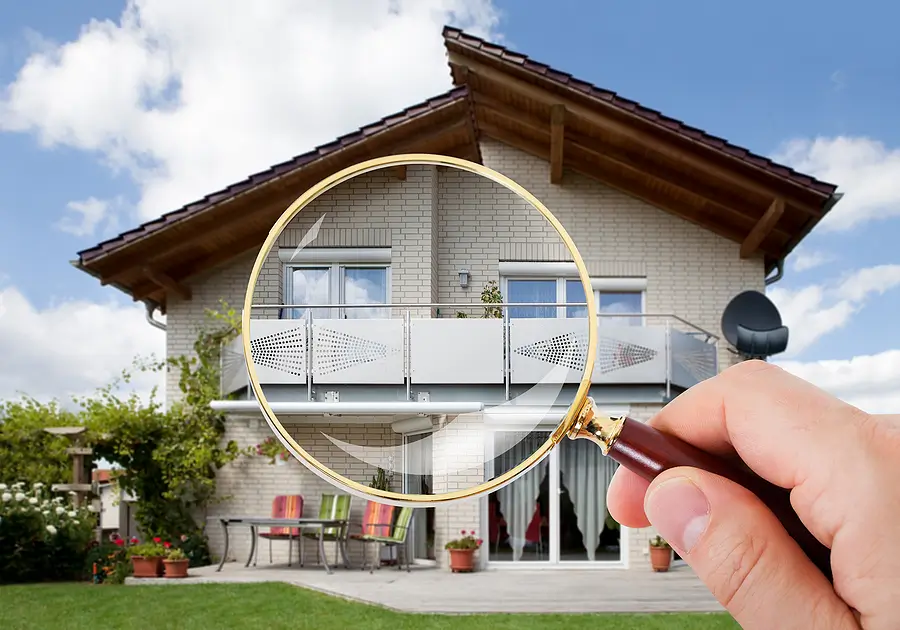
Rental property inspections are one of the most important yet often overlooked aspects of successful property management. In Greensboro, NC, where rental demand continues to evolve, regular inspections play a critical role in protecting property value, ensuring lease compliance, and maintaining positive tenant relationships. Without a consistent inspection strategy, small issues can go unnoticed and develop into costly repairs or larger operational challenges.
For landlords, knowing how often to inspect a rental property is not just about routine checks. It is about creating a structured approach that balances property protection with tenant respect. With the right inspection schedule in place, landlords can stay proactive, reduce long-term costs, and keep their investments performing at a high level.
Key Takeaways
Regular inspections help protect property conditions and reduce long-term repair costs.
A structured inspection schedule provides consistency and minimizes risk.
Prompt maintenance following inspections supports tenant satisfaction and retention.
Financial tracking combined with inspections improves overall investment performance.
Why Rental Inspections Matter
Rental inspections serve multiple purposes beyond simply checking property conditions. They provide an opportunity to identify maintenance concerns early, ensure tenants are following lease terms, and verify that the property remains safe and functional.
In a growing market like Greensboro, where tenants have more options, maintaining property condition is essential. Regular inspections help preserve the property's appeal while reducing the likelihood of emergency repairs. Landlords who take a proactive approach are better positioned to protect both their investment and their reputation.
Inspections also create a documented history of property condition, which can be valuable in resolving disputes or preparing for future upgrades. This level of oversight adds structure and accountability to the rental process.
Recommended Inspection Frequency
The ideal inspection schedule depends on several factors, including property type, tenant history, and overall condition. However, most landlords in Greensboro benefit from a consistent framework that includes multiple inspection points throughout the lease cycle.
Move-In Inspection
A move-in inspection establishes a clear baseline for the property’s condition before a tenant takes possession. Documenting details such as flooring, appliances, walls, and fixtures helps prevent disputes later. This inspection should be thorough and include photos or written reports that both parties acknowledge.
Routine Inspections
Routine inspections are typically conducted once or twice per year. These inspections allow landlords to identify minor issues before they escalate into major repairs. They also provide an opportunity to confirm that tenants are maintaining the property in accordance with lease expectations. Properties with higher turnover or older systems may benefit from more frequent inspections.
Drive By Inspections
Drive-by inspections can be performed periodically without entering the property. These quick checks allow landlords to observe exterior conditions, landscaping, and any visible concerns. While less detailed, they serve as an additional layer of oversight between routine inspections.
Move Out Inspection
A move-out inspection evaluates the property’s condition after the tenant vacates. Comparing this inspection to the move-in report helps determine whether any damage exceeds normal wear and tear. This step is essential for handling security deposits fairly and accurately.
Balancing Inspections With Tenant Experience
While inspections are necessary, they should be conducted with respect for tenant privacy and comfort. Providing proper notice and communicating clearly about the purpose of each inspection helps maintain positive relationships.
Tenants who feel respected are more likely to cooperate and take pride in maintaining the property. Clear communication also reduces the likelihood of misunderstandings or resistance during inspections.
The Role of Maintenance in Inspection Planning
Inspections and maintenance go hand in hand. Identifying issues early is only valuable if repairs are handled promptly and effectively. Delays can lead to larger problems that impact both cost and tenant satisfaction. Working with a reliable maintenance services team ensures that any issues discovered during inspections are addressed quickly. This proactive approach helps maintain property condition, reduce long-term expenses, and support tenant retention.
Using Inspections to Improve Financial Performance
Inspections are not just about property conditions. They also play a role in financial performance. Identifying maintenance needs early allows landlords to budget more effectively and avoid unexpected expenses.
In addition, well-maintained properties tend to attract higher-quality tenants and support consistent rental income. This connection between inspections and financial outcomes makes regular evaluations a valuable part of any investment strategy.
Organized financial tracking through professional accounting services can further support this process by providing clear insight into maintenance costs and overall profitability. When inspections and financial planning work together, landlords gain better control over their investment performance.
When to Adjust Your Inspection Schedule
Not all properties require the same level of oversight. Certain situations may call for adjustments to the standard inspection schedule. For example, properties with long-term tenants who have a strong history of care may require fewer inspections. On the other hand, newer tenants or properties with recurring maintenance issues may benefit from more frequent checks.
Landlords should remain flexible and adjust inspection frequency based on property condition, tenant behavior, and overall risk level. Evaluating these factors regularly ensures that the inspection strategy remains effective. Those evaluating management strategies may also consider how inspection practices fit into broader operational decisions.
Reviewing factors that influence management choices can provide additional clarity when determining the right level of oversight.
Common Inspection Mistakes to Avoid
Even with a solid plan in place, certain mistakes can reduce the effectiveness of rental inspections. One common issue is inconsistency. Skipping inspections or delaying them can allow small problems to go unnoticed. Another mistake is failing to document findings properly, which can lead to disputes or missed opportunities for improvement.
Overlooking tenant communication is also a frequent challenge. Inspections should always be scheduled with proper notice and explained clearly to maintain trust. By avoiding these pitfalls, landlords can ensure that inspections remain a valuable tool rather than a reactive measure.
FAQs
How often should routine inspections be scheduled?
Most landlords schedule routine inspections once or twice per year, depending on the property and tenant history.
Are tenants required to allow inspections?
Yes, but landlords must provide proper notice as required by local laws and lease agreements.
What should be checked during an inspection?
Common areas include plumbing, electrical systems, appliances, structural condition, and overall cleanliness.
Can inspections help prevent major repairs?
Yes, identifying issues early allows landlords to address problems before they become more expensive.
Do inspections improve tenant retention?
Yes, when handled professionally, inspections can improve communication and show tenants that the property is well-managed.
Protect Your Greensboro Rental With SLT Properties LLC
Consistent inspections are essential for maintaining a successful rental property, but they require time, organization, and follow-through. At SLT Properties LLC, we provide Greensboro property owners with professional management solutions, including thorough inspections, responsive maintenance, and detailed financial oversight.
If managing inspections and property upkeep is becoming overwhelming, connect with us and discover how our services can help protect your investment and simplify your rental experience.